Visiting the Independence Palace is more than just a stop on a sightseeing itinerary; it is a walk through the very heart of Vietnam’s modern history. This iconic building, also known as the Reunification Palace, stands as a powerful symbol of the end of the Vietnam War. For anyone interested in Ho Chi Minh City war sites, an Independence Palace history tour offers a profound and tangible connection to the events of April 30, 1975. It is a place where the past feels present, and where the stories of a nation’s struggle and reunification are etched into every room, corridor, and stairwell.
The Story Behind the Reunification Palace Vietnam War Landmark
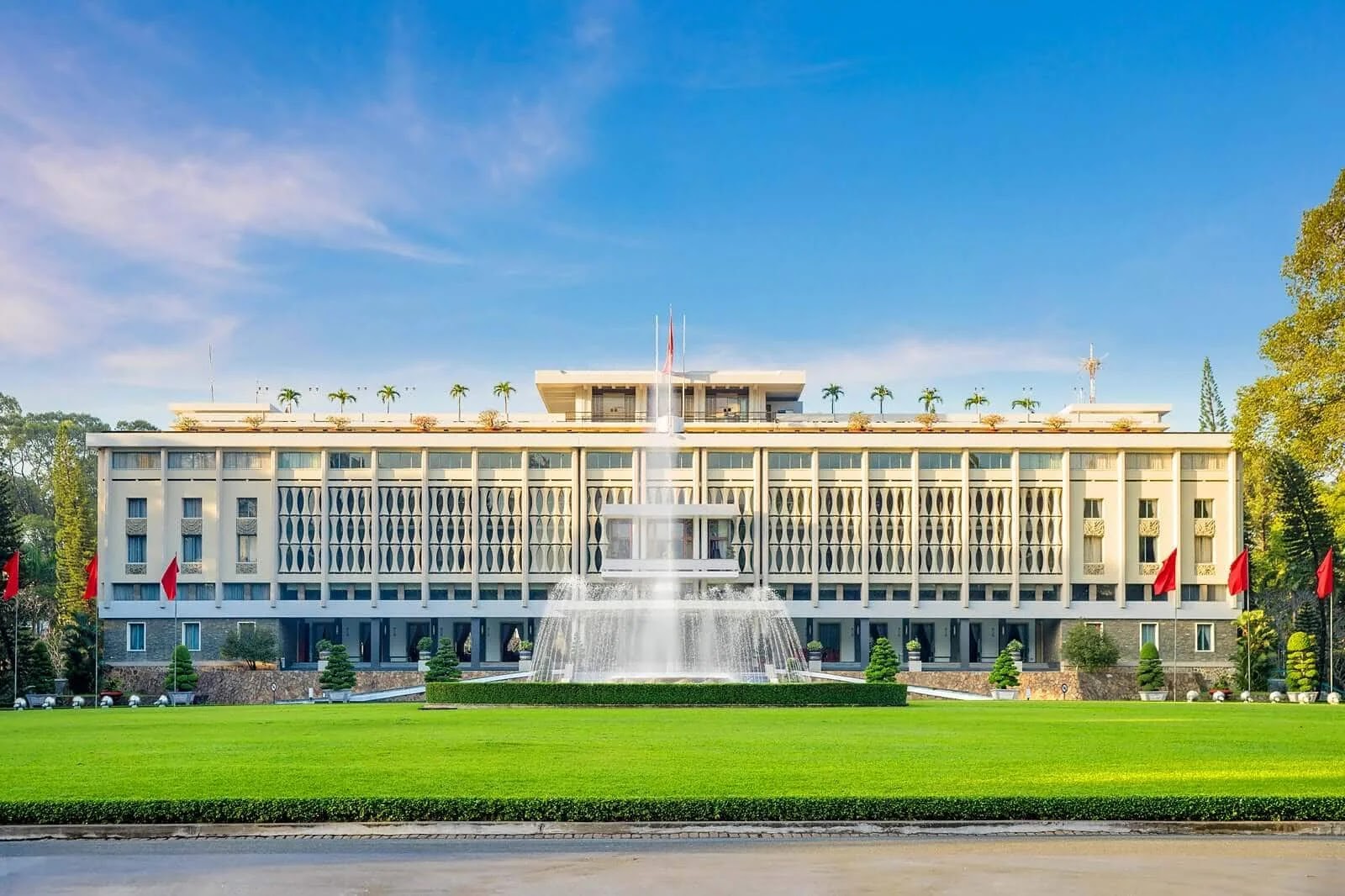
To truly appreciate this Saigon historical attraction, it helps to understand its backstory. The palace was built in the 1960s on the site of the former Norodom Palace, which had been the seat of French colonial power in Indochina. After Vietnam was divided, it became the residence and workplace of the President of the Republic of Vietnam, commonly known as South Vietnam. The building was designed by Vietnamese architect Ngô Viết Thụ, who won the Grand Prix de Rome for his work. Its architecture is a fascinating blend of modern 1960s style and traditional Vietnamese elements, with a feng shui-inspired layout designed to protect its occupants.
The palace’s most dramatic moment came at the end of the Vietnam War. On the morning of April 30, 1975, North Vietnamese tanks crashed through the gates of this very compound, bringing the war to a dramatic close. A North Vietnamese soldier climbed to the palace balcony and raised the flag of the National Liberation Front, an image that would be broadcast around the world. This event marked the fall of Saigon and the beginning of a new era for Vietnam. Today, the palace remains largely as it was on that day, frozen in time, offering visitors an unvarnished look into the last hours of the war.
What to Expect on an Independence Palace Guided Tour
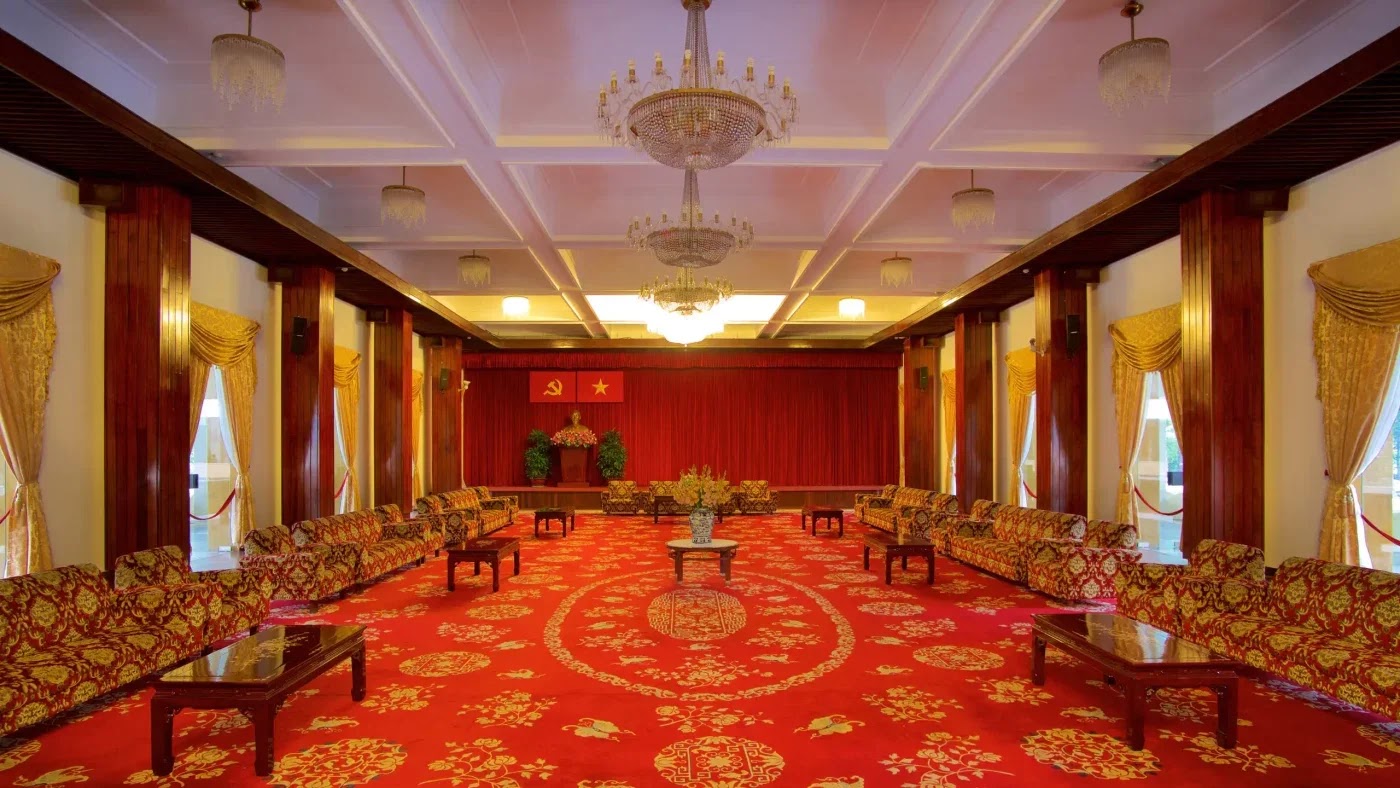
Stepping inside, you immediately feel the weight of history. An Independence Palace guided tour will take you through the opulent state rooms, the President’s living quarters, and the military command center, which buzzed with frantic activity in the war’s final days. The rooms are preserved with original furniture, maps, and even the teacups left on tables. You will see the Cabinet Room where the South Vietnamese government held its last meeting, the large banquet hall, and the President’s private cinema. The eerie stillness of the rooms, combined with the knowledge of what happened there, creates a powerful and moving experience.
One of the most intriguing parts of the tour is the basement. This underground network of tunnels and rooms served as the military command post, complete with a war room, communications center, and living quarters for military officers. It is a stark contrast to the elegant rooms above. Many visitors find this underground maze to be one of the most memorable parts of the visit, offering a glimpse into the strategic heart of the South Vietnamese military. Make sure to have your passport with you if you plan to visit the basement, as it is sometimes required for entry.
Key Rooms You Should Not Miss
- The Cabinet Room, where the last meeting of the South Vietnamese cabinet took place.
- The President’s private office and living quarters, with original period furniture.
- The Banquet Hall, which hosted state dinners for visiting dignitaries.
- The rooftop terrace, which offers a panoramic view of the city and is where the famous tank is parked.
- The war command center in the basement, with its vintage communication equipment.
Combining a Visit with the Cu Chi Tunnels for a Complete War History Perspective
For travelers seeking a deeper understanding of Vietnam War history in Ho Chi Minh City, pairing a palace visit with the Cu Chi Tunnels is a classic and highly recommended combination. A Cu Chi tunnels combined tour gives you the other side of the conflict. While the palace represents the seat of the South Vietnamese government, the tunnels represent the ingenuity and resilience of the Viet Cong. Located about 60 kilometers from the city, the tunnels are a vast underground network that served as living quarters, supply routes, and combat bases for the communist forces.

Many reputable tour operators offer a full-day trip that starts with a morning visit to the Independence Palace and then heads out to the Cu Chi Tunnels in the afternoon. This combination provides a powerful contrast. At the palace, you see the perspective of the established government, with its French-inspired architecture and American-supplied luxury. At the tunnels, you experience the harsh, cramped, and resourceful world of the guerrilla fighters. Together, they offer a balanced and comprehensive look at the war that shaped modern Vietnam. If you have only a limited time in Ho Chi Minh City, this combined tour is an efficient way to cover two of the most significant war sites in one day.
Practical Tips for Your Visit to This Saigon Historical Attraction
Planning your visit to the Independence Palace is straightforward, but a few practical tips can make your experience smoother. The palace is located at 135 Nam Kỳ Khởi Nghĩa Street, in District 1, and is easily accessible by taxi, ride-hailing app, or even on foot if you are staying in the city center. It is open daily from 7:30 AM to 11:00 AM and from 1:00 PM to 4:00 PM, so plan your arrival accordingly. The entrance fee is very affordable, with a small additional charge for a guided tour or an audio guide. If you are a history buff, the audio guide is worth the extra cost, as it provides detailed context that you might miss otherwise.

When you arrive, be prepared for security checks and dress respectfully, as it is a government building with historical significance. You will need to remove your shoes before entering some of the carpeted areas. The palace can get quite busy, especially in the late morning, so try to arrive early to beat the crowds and have a more contemplative experience. Also, remember that the building is largely not air-conditioned, so bring a fan or visit during a cooler part of the day. The rooftop offers a great photo opportunity, but be mindful of the heat and the number of other tourists trying to get the same shot.
Why This Site Is Essential Among Ho Chi Minh City War Sites
Ho Chi Minh City is filled with war-related attractions, from the War Remnants Museum to the Giac Lam Pagoda, but the Independence Palace is unique. It is not a museum created after the fact; it is the actual stage where history unfolded. Its authenticity is its greatest asset. You are not looking at reproductions or displays in glass cases; you are walking through the very rooms where generals made decisions that altered the course of millions of lives. This direct connection to the past is what makes an Independence Palace history tour such a compelling experience.
For many Vietnamese people, the palace is a symbol of national pride and independence. For international visitors, it is a chance to understand a chapter of history that still resonates today. It offers a nuanced perspective, showing both the opulence of the wartime government and the sudden, decisive end of the conflict. You leave with a better understanding of how the war was experienced from the inside, and why the event is so significant to the Vietnamese people. It is a place that encourages reflection, not just sightseeing.
Weaving the Palace Into Your Broader Saigon Itinerary
An Independence Palace visit fits naturally into a day of exploring other Saigon historical attractions. You can easily combine it with a visit to the Notre-Dame Cathedral Basilica of Saigon, the Central Post Office, and the War Remnants Museum, all of which are within walking distance or a short drive. This cluster of sites allows you to spend a full day delving into the city’s colonial and wartime history. Start your morning at the palace, then walk over to the cathedral and post office, and finish with the museum in the afternoon. Alternatively, if you are joining a city tour, most itineraries will include the palace as a key stop.
If you are interested in seeing the tank that crashed through the gates, it is now on display in the palace’s courtyard. You can even climb on it for a photo, a popular activity for many visitors. The palace grounds themselves are beautifully maintained, with manicured lawns and a large banyan tree that has witnessed decades of change. Take a moment to sit in the garden and reflect on the history you have just explored. It is a peaceful contrast to the intense historical narrative within the building.
Final Thoughts on Walking Through History
An Independence Palace history tour is a non-negotiable experience for anyone interested in Vietnam War history in Ho Chi Minh City. It is a place that educates, moves, and inspires. Whether you are a history enthusiast, a casual traveler, or someone seeking to understand Vietnam’s past, the palace offers an unforgettable journey back to a pivotal moment. The combination of its powerful story, authentic preservation, and central location makes it a standout among Vietnam War landmarks in Saigon. Do not leave the city without stepping inside this remarkable building.
When you plan your trip, consider booking a guided tour or a combined tour with the Cu Chi Tunnels to enrich your understanding. Check the palace’s opening hours before you go, and allow at least two hours to fully explore. And as you walk through those historic corridors, remember that you are not just a tourist; you are a witness to history. Make it a priority on your Saigon adventure.