
In the heart of modern Hanoi, a sobering relic of the past stands as a testament to resilience and the harsh realities of war. This is the Hoa Lo Prison, a place whose history is as complex as it is haunting. For many travelers, a visit here is not just a sightseeing stop but a profound journey into the heart of Vietnam’s struggle for independence and a unique glimpse into the lives of American prisoners of war. A visit to this museum offers a deep understanding of the Hoa Lo Prison history that textbooks can only hint at.
The Early Years and Harsh Realities
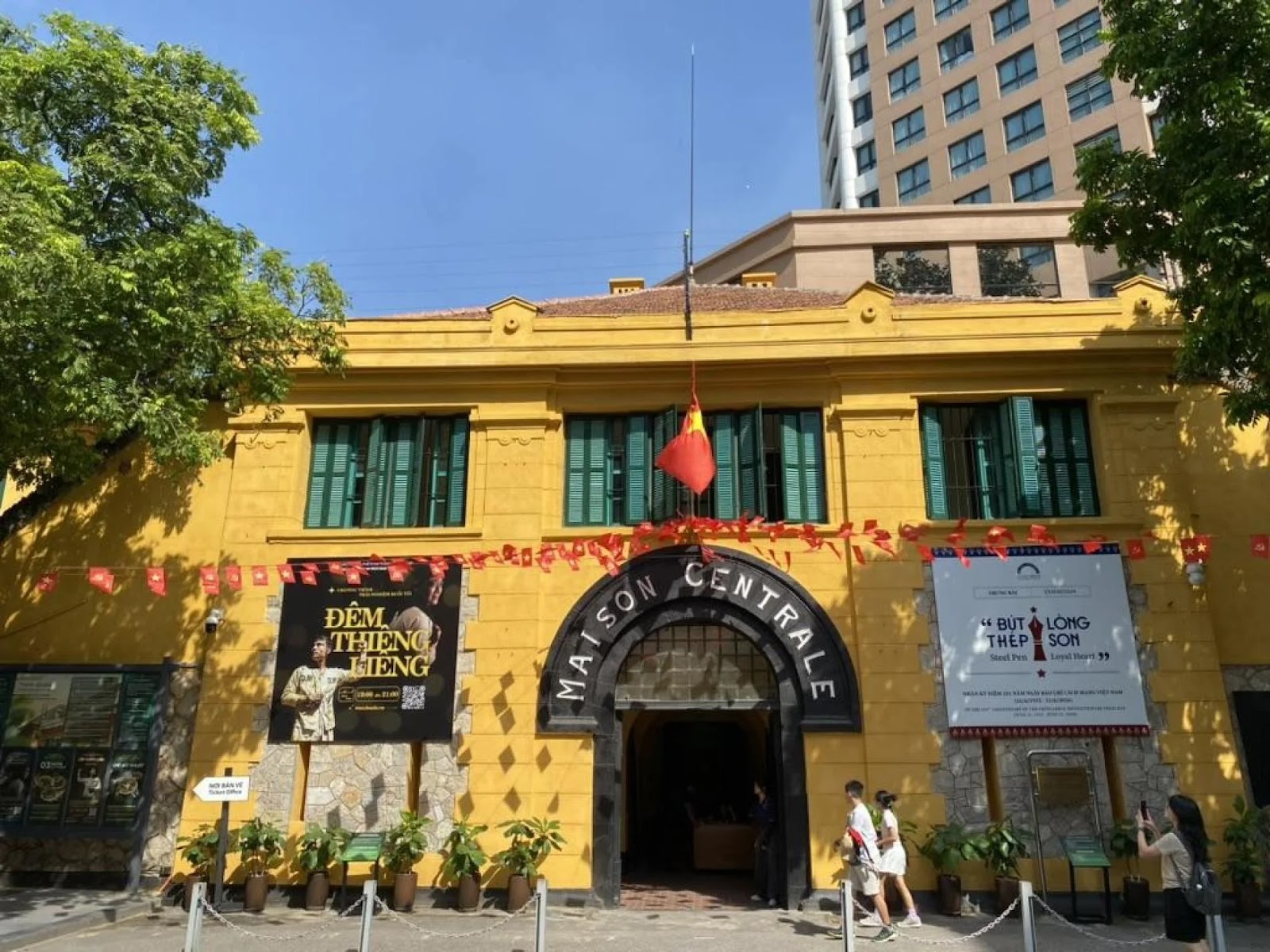
Constructed by the French colonial government in 1896, the prison was originally known as Maison Centrale, a name that locals grimly translated to “Hanoi Hilton” decades later. The Hoa Lo Prison history began with a purpose: to house Vietnamese political prisoners who dared to challenge colonial rule. The conditions for these early inmates were brutal. The cells were cramped, the sanitation was poor, and the daily rations were meager. Many prisoners were held in deplorable conditions, subjected to torture and hard labor. This part of the prison’s story is often overshadowed by its later role in the Vietnam War, but it is an essential chapter in understanding the site’s full significance.
Architecture of Oppression
The Hoa Lo Prison architecture was designed to intimidate and control. The original structure featured thick stone walls, watchtowers, and a series of cells that were dark and airless. A guillotine was installed in the prison courtyard, a chilling symbol of French authority. When you tour the site today, you can still see the remnants of these original buildings, including the imposing main gate and the concrete cells that housed the most dangerous political prisoners. The architecture itself tells a story of fear and control, a stark contrast to the bustling city that surrounds it today.
The Vietnam War and the Hanoi Hilton POWs
The most recognized part of Hoa Lo Prison history, particularly for Western audiences, is its role during the Vietnam War. From 1964 to 1973, the prison held American pilots and soldiers who had been shot down over North Vietnam. These men, who were officially listed as “prisoners of war,” became known as the Hanoi Hilton POWs. The name was a bitter and ironic joke, a stark contrast to the luxurious hotels they were rumored to be staying in. The reality was far different. While the North Vietnamese used the prison as a propaganda tool, showcasing well-fed and content prisoners to visiting delegations, the actual POW conditions Hoa Lo were often harsh and isolating.
Life for the American Prisoners
The POW conditions Hoa Lo varied over the years. Early on, prisoners were often held in solitary confinement, subjected to interrogation and torture to extract military information. They were kept in leg irons and dark cells, a psychological as well as physical ordeal. However, a shift occurred in the late 1960s. A new commandant, Nguyen Tien That, implemented a more lenient policy. Prisoners were allowed to communicate with each other through a tap code and were given better food and medical care. The infamous “Hanoi Hilton” nickname, which had been a sarcastic moniker, began to take on a new, more humane meaning as the prisoners were moved into a new compound with more space and light. This later period was still a prison, but the treatment improved significantly, a fact that many former POWs have acknowledged in their memoirs.


Hoa Lo Prison Museum Exhibits and What to See
Today, the Hoa Lo Prison museum exhibits are the primary way for visitors to understand this layered history. The museum is a careful curation of artifacts, photographs, and reconstructions that tell the story of both the French colonial era and the Vietnam War. As you walk through the site, you will see the original cells, the guillotine, and the area where the American POWs were held. One of the most moving exhibits is the “Skylight” memorial, a poignant tribute to the Vietnamese revolutionaries who were executed or died in the prison. The museum does a good job of acknowledging the American POWs’ experience, even as it focuses primarily on the Vietnamese perspective. It offers a nuanced view of a complex period, making it one of the most compelling Hanoi attractions for history buffs.
Planning Your Hoa Lo Prison Tour
A Hoa Lo Prison tour is a straightforward and affordable experience. The Hoa Lo Prison location Hanoi is incredibly central, on Hoa Lo Street in the French Quarter, a short walk from Hoan Kiem Lake and the Hanoi Opera House. The museum is open daily from 8 AM to 5 PM, and the entrance fee is nominal. Most visitors spend about an hour to an hour and a half exploring the grounds. Audio guides are available in several languages, and there are informative plaques throughout the site in both Vietnamese and English. For a deeper experience, consider joining a guided tour that focuses on the Vietnam War period. These tours often provide personal anecdotes and historical context that enrich the visit. You can easily combine a visit here with a walking tour of the nearby colonial-era landmarks.
Why Visiting Hoa Lo Matters
Visiting Hoa Lo Prison is not always an easy experience, but it is an important one. It forces you to confront the harsh realities of war and colonialism. The Hoa Lo Prison history is a story of immense suffering, but also of incredible resilience. For the Vietnamese, it is a hallowed site of revolutionary martyrdom. For the American POWs, it is a place of memory, both painful and, for some, of surprising camaraderie. The museum’s power lies in its ability to tell both of these stories, challenging visitors to see history from multiple perspectives. It is a reminder that the past is not a simple narrative of good versus evil, but a complex tapestry of human experience.
After your visit, you may find yourself reflecting on the resilience of the human spirit. The prison, once a symbol of oppression, now stands as a museum and a stark reminder of the consequences of conflict. It is a powerful stop on any Hanoi itinerary, offering a profound counterpoint to the city’s bustling energy and a deeper understanding of the forces that shaped modern Vietnam. Whether you are a history enthusiast or a curious traveler, the story of Hoa Lo Prison is an unforgettable part of any trip to the capital. So, when you’re planning your exploration of Hanoi, be sure to set aside a couple of hours to walk through the gates of this historic site. It’s an experience that will stay with you long after you’ve left the city.