Vietnam has emerged as a rising star on the global tourism map, captivating travelers not only with its breathtaking natural landscapes and profound heritage values but also with its exceptional cuisine. As the cradle of wet rice culture, rice serves as an iconic symbol and an irreplaceable staple in the daily lives of Vietnamese people. From this magical grain, countless delicious feasts are born, and among the most cherished delicacies are noodles. Their translucent appearance and delightful chewy texture have won over many hearts, quickly becoming a favorite for anyone visiting Vietnam. For first-time travelers, the following noodle dishes are absolute must-tries, and with the Michelin Guide 2023, you can also explore full Michelin restaurants and street food across the country.
Phở
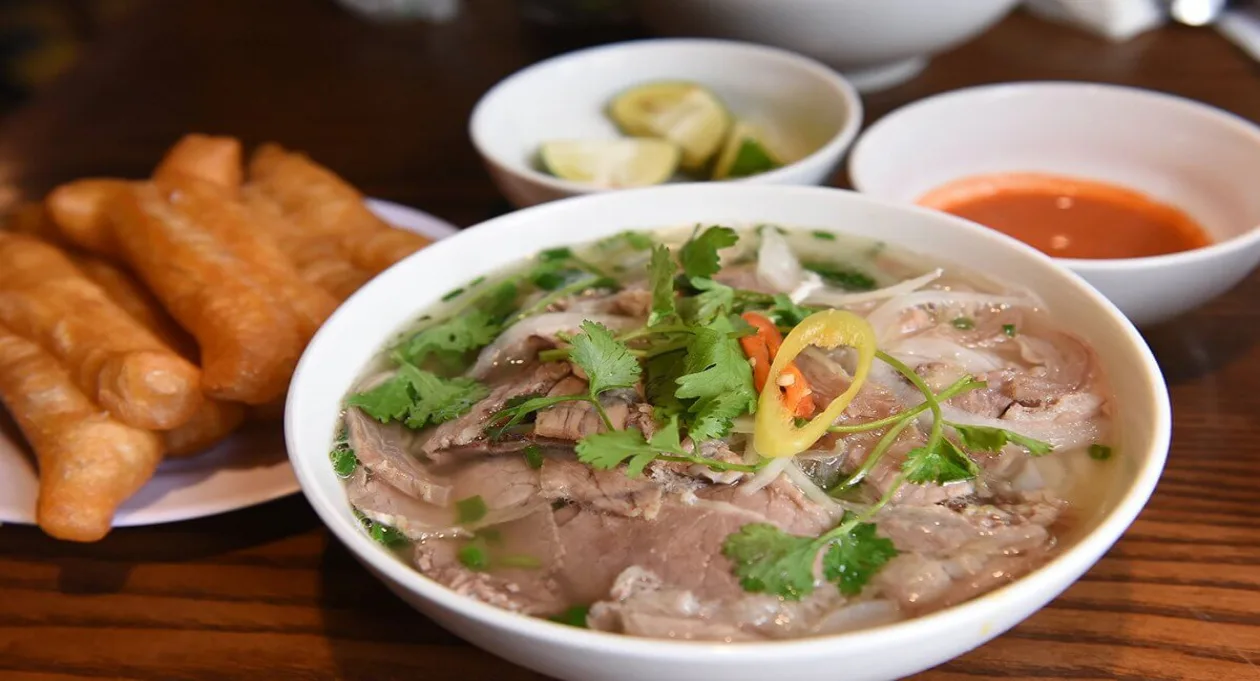
It comes as no surprise that Phở claims the top spot, as it is undoubtedly Vietnam’s most famous noodle soup. Warm, savory, and bursting with flavor, it encapsulates the very essence of Vietnamese gastronomy. This iconic dish features rice noodles bathed in a clear broth made from beef or chicken, simmered for hours with aromatic spices such as cinnamon, star anise, cloves, cardamom, and coriander. The bowl is then garnished with slices of tender meat, lime wedges, and a medley of fresh herbs including cilantro, basil, and mint. For many Vietnamese, Phở is the quintessential breakfast, a simple yet profound way to start the day.
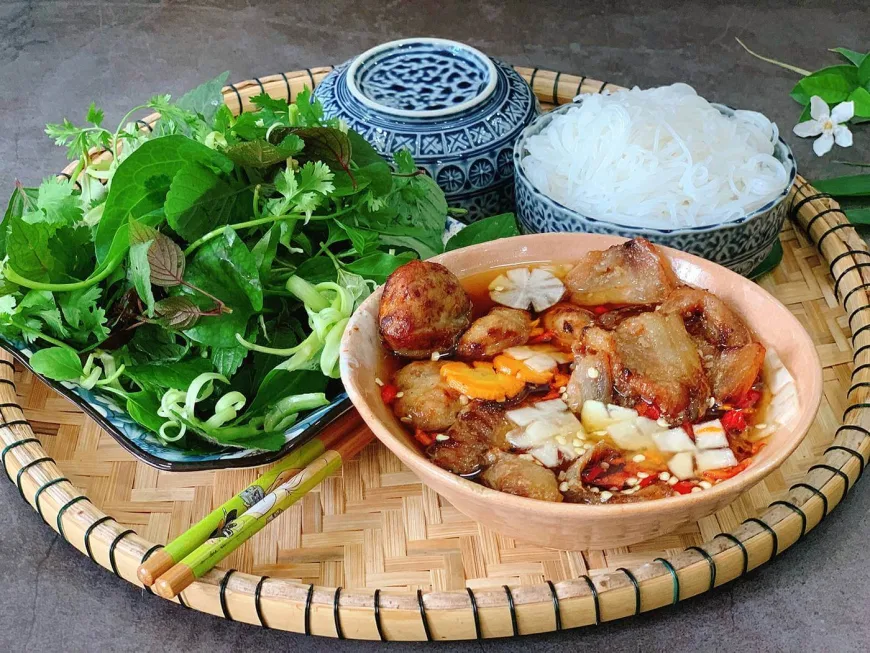
Grilled Pork Meatballs with Vermicelli Noodles (Bún chả)
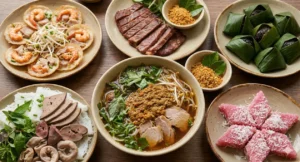
Bún chả is a symphony of textures and flavors. Fragrant, succulent grilled pork meatballs are served alongside soft vermicelli noodles, fresh herbs like mint and coriander, and a rich dipping sauce known as nước chấm. This combination creates a harmonious blend that leaves diners craving more. Beyond its taste, Bún chả holds cultural significance as a symbol of Hanoi’s vibrant street food culture and the communal spirit of Vietnamese dining. For an extra layer of indulgence, pair it with Crab spring rolls (Nem cua bể). These crispy, golden rolls are stuffed with succulent white crab meat, making them the perfect accompaniment to the dish.
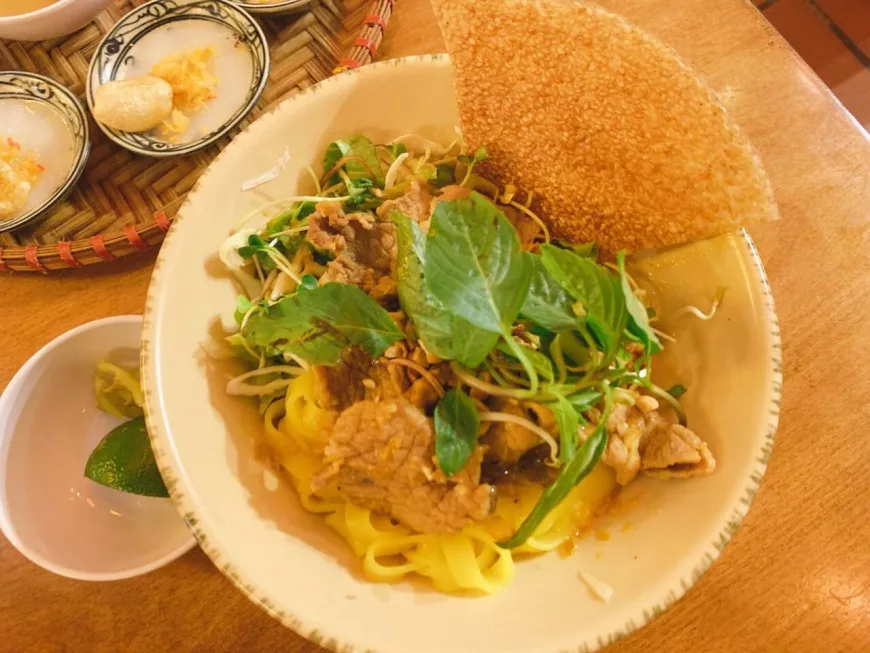
Quang-Style Noodles (Mì Quảng)
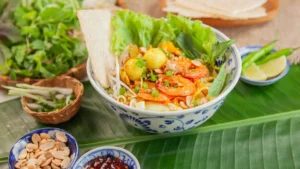
Rice noodle dishes are a staple across Vietnam, but Mì Quảng stands out as a beloved specialty from Central Vietnam. This classic dish combines flat yellow or white rice noodles with a small amount of flavorful meat broth, topped with crispy fresh vegetables and herbs such as banana blossoms, lettuce, cilantro, scallions, and Vietnamese coriander. Its versatility is remarkable, often featuring toppings like pork belly, chicken, shrimp, fish, boiled eggs, and roasted peanuts. Each bowl is a delightful medley of textures and tastes, reflecting the region’s culinary ingenuity.
Bún Bò Huế (Hue Spicy Beef Noodle Soup)
Hue, a city in Central Vietnam, once served as the seat of the Nguyen Dynasty emperors and the national capital. It is renowned for its unique cuisine, inherited from royal families. Bún bò Huế is this legacy, featuring a robust broth made from pork and beef bones, infused with lemongrass, shrimp paste, lime juice, and a variety of herbs. The dish is spicy and its flavor is often described as rich and complex. While slight variations exist, the usual additions include sliced brisket or crab meat balls, making each spoonful a journey through Hue’s imperial history.

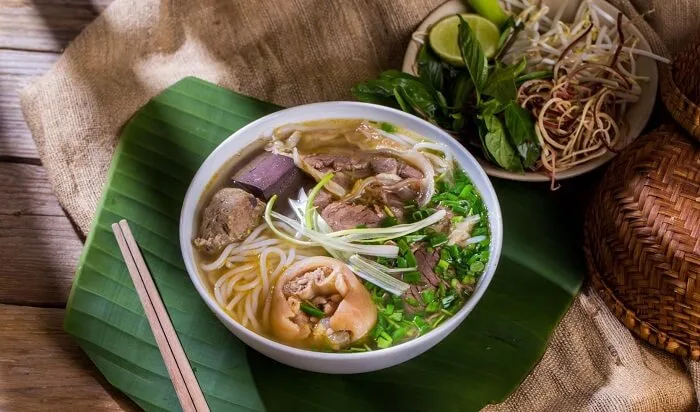
Bánh canh (Vietnamese Thick Noodle Soup)
Bánh canh features thick noodles made from tapioca or rice flour, served in a hearty soup prepared with ingredients like pork trotters (bánh canh giò heo), snakehead fish (bánh canh cá lóc), or crab (bánh canh cua). The soup is notably thicker than other Vietnamese noodle soups, and the noodles are chewier. The liquid has a consistency closer to gravy than a brothy soup, typically based on pork bones or sometimes chicken. This dish is a typical snack of Southern Vietnam, and you can find it on virtually any street corner in Ho Chi Minh City.
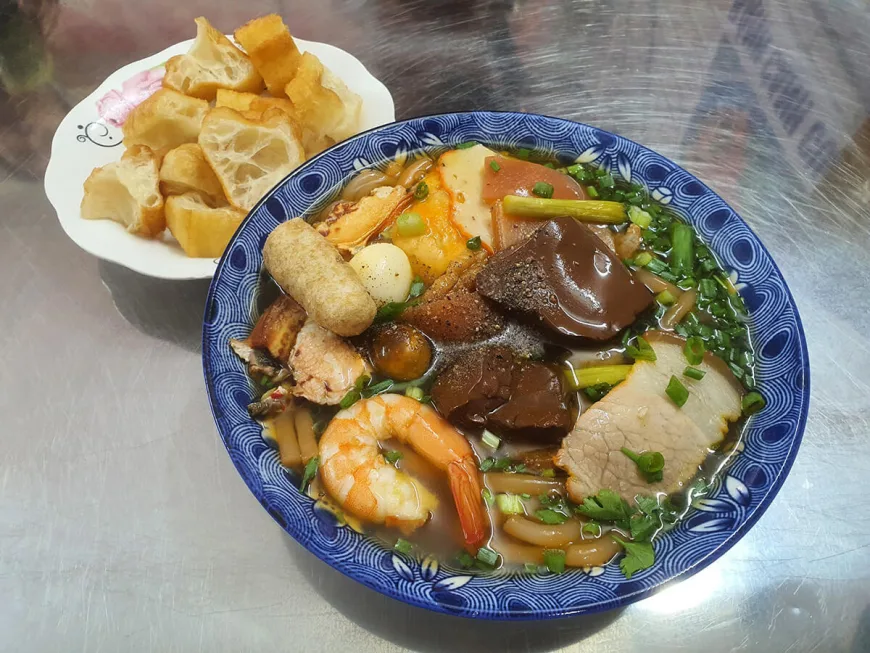
Other notable noodle dishes include Cao Lau of Hoi An, Bún mắm, and Bún quậy of Phu Quoc, each offering a unique taste of Vietnam’s diverse culinary landscape.

If you love Vietnamese food, be sure to grab your MICHELIN Guide Hanoi & Ho Chi Minh City to discover even more culinary treasures.