
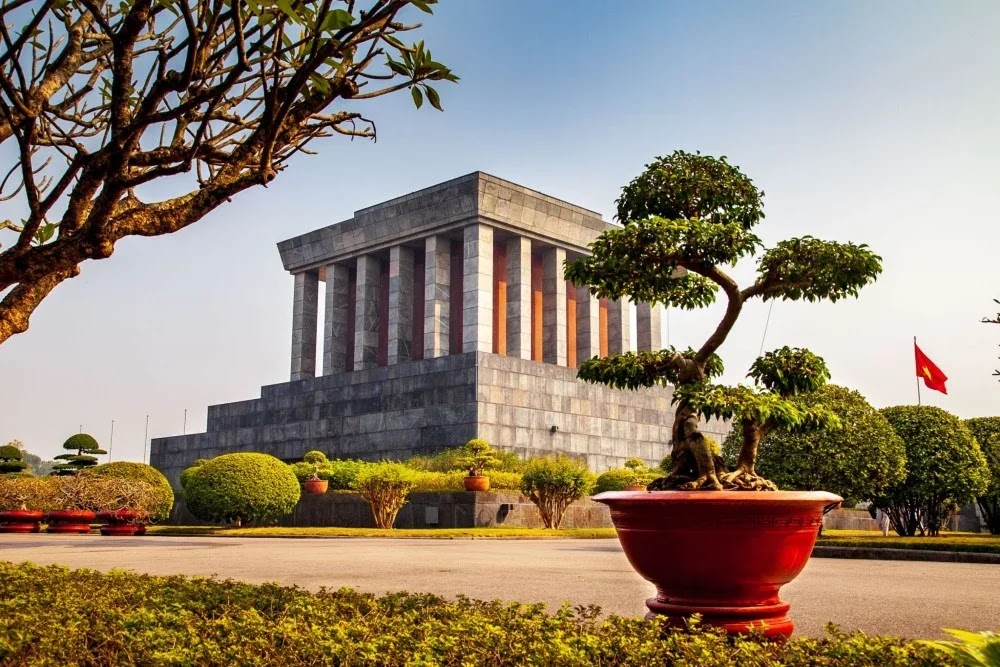
The Ho Chi Minh Mausoleum stands as one of Hanoi’s most solemn and significant landmarks, drawing millions of visitors each year who come to pay their respects to the father of modern Vietnam. Located in the heart of Ba Dinh Square, this imposing granite structure is more than just a tourist stop; it is a pilgrimage site that offers a profound glimpse into the nation’s history and the man who shaped its destiny. A visit here, combined with the nearby Ho Chi Minh Stilt House, forms the core of the Ho Chi Minh complex, an essential part of any Hanoi travel guide.
Understanding the Ho Chi Minh Mausoleum
Before you plan your visit, it helps to understand what the mausoleum represents. Construction began in 1973 and was completed in 1975, using materials sourced from all over Vietnam, symbolizing the unity of the country. The structure itself is heavily influenced by Lenin’s Mausoleum in Moscow, but with distinct Vietnamese architectural touches, such as the sloping roof and the surrounding gardens. Inside lies the embalmed body of Ho Chi Minh, preserved in a glass case, a practice he explicitly did not want, having expressed a wish to be cremated and have his ashes scattered across the hills of his homeland. Nevertheless, the government chose to honor him in this way, and it has become a central point of reverence for the Vietnamese people.
Etiquette and Rules for Visiting
Visiting the Ho Chi Minh Mausoleum requires strict adherence to rules that reflect the site’s solemn nature. Visitors must dress conservatively, covering shoulders and knees. Shorts, skirts above the knee, and sleeveless tops are not permitted. Inside the mausoleum, you must walk in a single file, keep your hands out of your pockets, and maintain absolute silence. Photography is strictly forbidden inside the building, and you will be asked to leave your bags, cameras, and phones in a storage area before entering. The entire procession is a moving, respectful experience that offers a unique insight into Vietnamese culture and reverence.
Exploring the Ho Chi Minh Complex
The mausoleum is only one part of a larger, beautifully landscaped complex that includes several other important historical sites. After exiting the mausoleum, you will naturally walk towards the Ho Chi Minh Stilt House, which is located just a short distance away. This simple, traditional wooden house on stilts is where Ho Chi Minh lived and worked from 1958 until his death in 1969. It is a starkly humble dwelling, with just a few rooms, a small library, and an open-air veranda, offering a powerful contrast to the grandeur of the mausoleum. Visiting the stilt house provides a more personal connection to the man, showing his simple lifestyle and deep connection to nature.
The Presidential Palace and the One Pillar Pagoda
Adjacent to the stilt house is the Presidential Palace, a striking yellow French colonial building that Ho Chi Minh refused to live in, preferring the modest stilt house instead. While the palace itself is not open to the public, you can view it from the outside and walk through its lush gardens. Also within the complex is the One Pillar Pagoda, a unique and ancient Buddhist temple built in 1049, which is one of Vietnam’s most iconic structures. The pagoda is designed to resemble a lotus blossom, a symbol of purity, and is a serene and beautiful spot for reflection.
Practical Information for Your Visit
To make the most of your visit to the Ho Chi Minh Mausoleum and the surrounding complex, you need to plan carefully. The mausoleum is open Tuesday through Thursday and on weekends, but it is closed on Mondays and Fridays. It is also typically closed for maintenance from mid-June to mid-August, so check the schedule before you go. Opening hours are usually from 8:00 AM to 11:00 AM, and the last entry is around 10:15 AM, so arrive early to avoid the long queues, which can be significant, especially during peak tourist season. The visit is free of charge, but you will need to go through security checks.
Getting to Ba Dinh Square
The Ho Chi Minh complex is located in Ba Dinh Square, a short walk from the city center. If you are staying in the Old Quarter, it is about a 20-minute walk. Alternatively, you can take a taxi or use a ride-hailing app like Grab. Many visitors choose to combine a visit here with other Hanoi attractions, such as the nearby Imperial Citadel of Thang Long or the Vietnam Military History Museum. Because the mausoleum is only open in the morning, it is best to visit this area first thing in the day, then explore the rest of the complex and other nearby sites in the afternoon.

Combining with the Ho Chi Minh Museum
Just a short walk from the mausoleum is the Ho Chi Minh Museum. This modern museum offers a comprehensive look at the life and times of Ho Chi Minh, with a vast collection of artifacts, photographs, and documents. The exhibits are well-curated and provide a deeper context for the struggles and triumphs of Vietnam’s struggle for independence. While the mausoleum is a place of quiet reverence, the museum is a vibrant, educational experience. For a full understanding of the Ho Chi Minh complex, you should allocate at least half a day to visit both the mausoleum and the museum, along with the stilt house and the other historical sites in the area.
Tips for a Meaningful Visit
Here are some essential tips to help you have a smooth and respectful visit to the Ho Chi Minh Mausoleum:
- Arrive at least 30 minutes early to allow time for security and bag storage.
- Wear comfortable shoes, as you will be walking a lot, and dress respectfully.
- Bring a scarf or shawl to cover your shoulders if you are wearing a sleeveless top.
- Do not bring large bags, and be prepared to store your belongings in the designated area.
- Respect the silence and the solemn atmosphere inside the mausoleum.
- After visiting the mausoleum, take time to walk through the gardens and see the stilt house and the One Pillar Pagoda.
- Combine your visit with the Ho Chi Minh Museum for a complete historical experience.
Beyond the Mausoleum, Other Hanoi Attractions
While the Ho Chi Minh Mausoleum and the surrounding complex are a major highlight, Hanoi is a city with a rich tapestry of history and culture. After your morning at Ba Dinh Square, you can explore the vibrant Old Quarter, with its bustling streets and ancient temples. The Temple of Literature, Vietnam’s first university, is another must-see, offering a peaceful escape from the city’s hustle. The Hoan Kiem Lake, with its iconic red bridge and Ngoc Son Temple, is a beautiful spot for an evening stroll. For a deeper dive into Vietnam’s complex history, consider visiting the Hoa Lo Prison, also known as the ‘Hanoi Hilton,’ which offers a sobering look at the country’s colonial past.
Making the Most of Your Time
Planning your visit to the Ho Chi Minh complex is key to having a rewarding experience. Because the mausoleum is only open for a few hours each morning, it is best to schedule it as your first activity of the day. This also allows you to avoid the midday heat and the largest crowds. After you have completed the circuit of the mausoleum, stilt house, and the surrounding gardens, you can head to the Ho Chi Minh Museum, which is open in the afternoon. This strategic approach ensures you see everything without feeling rushed. Remember to carry a water bottle, as you will be walking outdoors for a significant portion of your visit, and the Hanoi sun can be intense.
Final Thoughts on Your Visit
Visiting the Ho Chi Minh Mausoleum is a profound experience that transcends a typical tourist attraction. It is a journey into the heart of Vietnam’s identity, offering a solemn tribute to a leader who remains deeply revered. The Ho Chi Minh complex, including the stilt house, the museum, and the surrounding historical sites, provides a comprehensive understanding of both the man and the nation he helped to create. Whether you are a history enthusiast, a culture seeker, or simply a curious traveler, a visit to Ba Dinh Square is an unforgettable part of any Hanoi travel guide. As you stand before the mausoleum, you will feel a sense of respect and admiration that is both moving and humbling. After this visit, you will have a deeper appreciation for Vietnam’s journey, and you will carry its stories with you long after you leave the city.