Standing at the intersection of Dong Khoi and Le Loi, the Saigon Opera House commands attention with its ornate facade and quiet dignity. Most visitors snap a photo and move on, unaware that this graceful building has witnessed a century of upheaval, revolution, and reinvention. The Saigon Opera House history is not just a story of performances and premieres; it is a mirror reflecting the turbulent journey of Ho Chi Minh City itself, from a French colonial outpost to a thriving modern metropolis.
The Birth of a French Colonial Icon
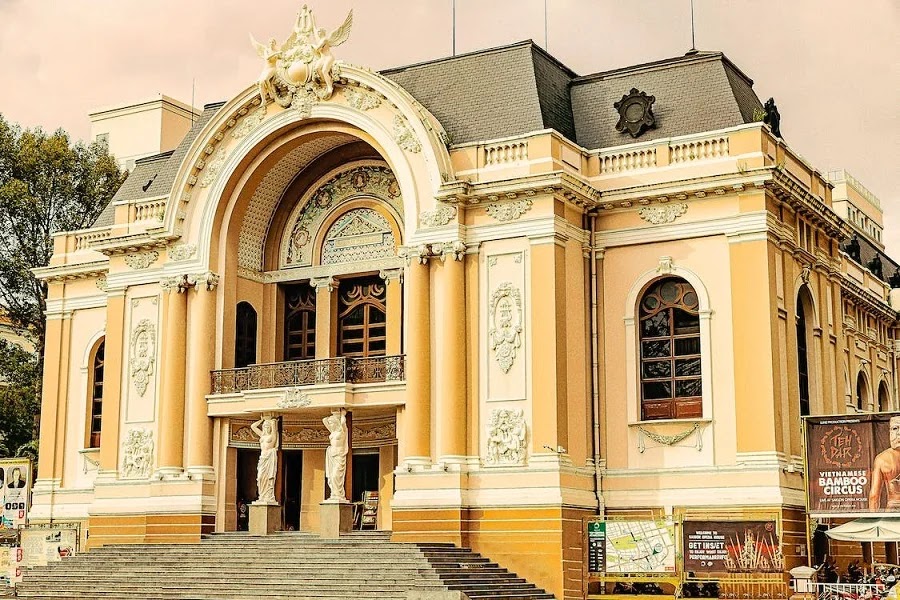
In the late 19th century, French colonial architects were reshaping Saigon into what they called the ‘Pearl of the Orient.’ The Municipal Theatre Saigon, as it was officially named, emerged from this ambitious urban plan. Designed by French architects Félix Olivier and Ernest Guichard, the building was completed in 1897, though its official inauguration followed in 1900. Its design drew heavily from the Opéra Garnier in Paris, with a similar horseshoe-shaped auditorium and grand marble staircases.
The building’s facade is a textbook example of French colonial architecture Ho Chi Minh City still treasures. Flamboyant rococo details, sculpted allegorical figures, and a central dome crowned with a bronze statue of the goddess of arts create an unmistakably European silhouette against the tropical sky. For the French elite, it was a slice of home; for the local population, it was a symbol of foreign power, but also of architectural wonder.
A Turbulent Century of Change and Survival
The Saigon Opera House history took a dramatic turn in 1944 when a stray Allied bomb, intended for Japanese ships in the harbor, struck the building. The damage was severe, and the theatre closed. After the French left Vietnam in 1954, the building was repurposed as the seat of the South Vietnamese National Assembly. Politicians debated the nation’s future where sopranos once sang, and the interior was stripped of its theatrical grandeur to accommodate parliamentary functions.
The Vietnam War brought further transformation. When Saigon fell in 1975, the new government used the building for various official functions, including a museum of revolutionary art. For decades, the former opera house remained closed to the public, its faded glory hidden behind locked doors. Many wondered if the French heritage Vietnam had fought so hard to escape would ever be revived.
The Meticulous Restoration and Rebirth
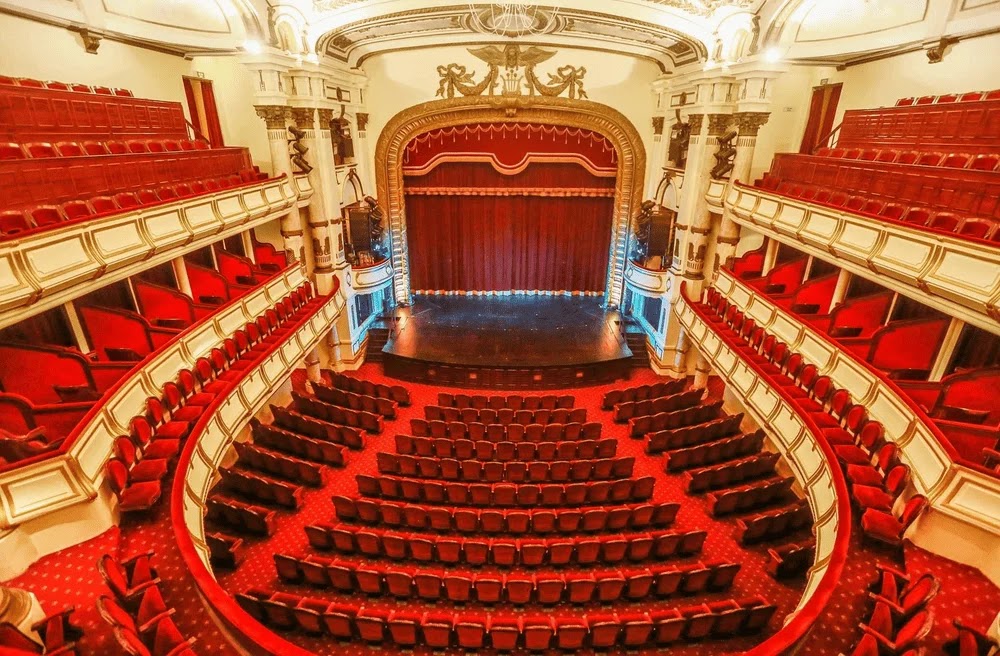
In the 1990s, as Vietnam opened its doors to international tourism, authorities recognized the cultural and economic value of restoring the old theatre. The Saigon Opera House restoration project was undertaken with a commitment to historical accuracy. Skilled artisans repaired the intricate plasterwork, recreated gilded details, and restored the original color scheme of cream and gold. The auditorium was brought back to its 1900 glory, complete with 800 plush velvet seats and a crystal chandelier that would make any Parisian theatre envious.
The restoration was not merely cosmetic. Modern air conditioning, state-of-the-art lighting, and acoustic enhancements were discreetly integrated. In 1998, the Municipal Theatre Saigon reopened its doors to a gala performance, marking a new chapter in Saigon Opera House history. Today, it serves as the home of the Ho Chi Minh City Ballet Symphony Orchestra and Opera, hosting everything from classical concerts to contemporary Vietnamese dance productions.

Architectural Marvels You Can Spot Today
Even if you do not attend a performance, a visit to the Saigon Opera House is a journey into French colonial architecture Ho Chi Minh City proudly preserves. Here are a few Ho Chi Minh City Opera House facts to enrich your visit:
- The Facade: Look for the allegorical statues above the main entrance. The central figure represents the goddess of arts, flanked by muses of music and poetry. These sculpted figures are unique to this building, not replicated anywhere else in Vietnam.
- The Dome: The central dome, once topped with a bronze statue, is a defining feature. The current statue is a replica of the original, which was removed during wartime and never recovered.
- The Interior: The horseshoe-shaped auditorium ensures excellent acoustics and sightlines from every seat, a design borrowed from European opera houses. The ceiling frescoes depict scenes from Vietnamese mythology, a nod to the local culture.
- The Materials: French builders imported marble from Italy, glass from France, and used local granite for the foundation. This blend of imported and local materials is a hallmark of colonial-era construction in Saigon.
Beyond the Opera House French Heritage in Saigon
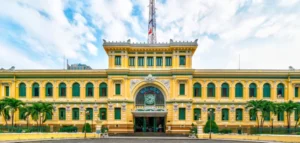
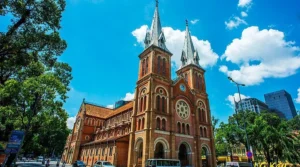
The Saigon Opera House is the centerpiece of a broader collection of French colonial buildings Saigon has preserved. Just a short walk away, you will find the Notre-Dame Cathedral Basilica of Saigon, built with red bricks from France, and the Central Post Office, designed by Gustave Eiffel. These structures, along with the Opera House, form a cohesive architectural district that tells the story of French heritage Vietnam still embraces, despite the complex history.
For travelers interested in history, a self-guided walking tour of these landmarks is a must. Start at the Opera House, then stroll down Dong Khoi Street to the cathedral and post office. The contrast between the colonial past and the modern skyscrapers of Landmark 81 in the distance is a powerful reminder of how far the city has come.
Practical Tips for Your Visit
If you want to experience the Opera House from the inside, check the schedule for performances. Tickets range from very affordable for local productions to premium prices for international shows. Be aware that the building closes during rehearsals and private events, so plan ahead. Alternatively, some tours offer a behind-the-scenes look at the backstage areas, including the dressing rooms and the orchestra pit. These intimate tours provide a unique perspective on the Saigon Opera House history that casual visitors miss.
For photographers, the best time to capture the facade is in the late afternoon when the golden light highlights the ornate details. At night, the building is beautifully illuminated, making it a stunning backdrop for evening strolls. Remember to dress modestly if you attend a performance, as it is a formal venue.
The Opera House as a Living Symbol
The Saigon Opera House is more than a historic monument; it is a living, breathing cultural venue. It has hosted international stars like José Carreras and the Kirov Ballet, while also nurturing local talent. The building’s resilience mirrors the resilience of the Vietnamese people. It has survived war, neglect, and political upheaval to emerge as one of the most beautiful and beloved landmarks in Southeast Asia.
When you stand before its grand facade, take a moment to appreciate the layers of history embedded in its walls. The Saigon Opera House history is a testament to the enduring power of art and architecture to transcend political boundaries. Whether you are a history buff, an architecture enthusiast, or simply a traveler seeking beauty, this iconic building will leave a lasting impression.
So, on your next trip to Ho Chi Minh City, do not just walk past the Opera House. Step inside, attend a performance, or join a guided tour. Immerse yourself in the story of a building that has witnessed the transformation of a nation. And if you are planning your itinerary now, make sure to include the Saigon Opera House at the top of your list. It is not just a sight to see; it is an experience to remember.