
Marble Mountains Da Nang Travel Guide & Hidden Caves
Just a short drive from the bustling streets of Da Nang, five jagged hills rise from the coastal plains like silent guardians. These are the Marble Mountains, known locally as Ngu Hanh Son, a place where limestone cliffs, sacred pagodas, and dark caverns weave together centuries of history and spirituality. If you’re planning a trip to central Vietnam, this cluster of marble hills offers a half-day adventure that feels a world away from the city.
The Five Elements and Their Meaning
The name Ngu Hanh Son translates to “Mountain of the Five Elements.” Each hill represents one of the fundamental forces in Eastern philosophy: Kim (metal), Moc (wood), Thuy (water), Hoa (fire), and Tho (earth). The largest and most visited is Thuy Son (water mountain), which sits at the center of the group. The others are smaller and less developed, but they all hold their own secrets.
For travelers curious about Marble Mountains Vietnam history and elements, the site is a living lesson in how geography and belief intertwine. The mountains were once islands, rising from the sea millions of years ago. Over time, waves and wind carved out the caves that now house Buddhist shrines and altars. Local legend says the mountains were formed from a dragon’s egg, and standing at the base of these towering rocks, you can almost believe it.
Getting to the Marble Mountains
The Marble Mountains Da Nang sits about 9 kilometers south of the city center, making it an easy trip by taxi, motorbike, or even bicycle. Many travelers combine a visit here with stops at nearby My Khe Beach or the ancient town of Hoi An, which lies just 20 minutes further south. If you’re driving yourself, you’ll find clear signs leading to the main entrance on the east side of Thuy Son.
Entry fees are modest, usually around 40,000 VND for the mountain and an additional fee if you want to climb the tall statue of Lady Buddha. There’s also an elevator that carries visitors up to the top for a small fee, which is a blessing on hot days. For those who want the full experience, though, walking up the stone steps is part of the adventure.
Huyen Khong Cave – The Crown Jewel
No Ngu Hanh Son travel guide is complete without highlighting Huyen Khong Cave. This enormous cavern is the spiritual heart of the Marble Mountains. Sunlight streams through an opening in the roof, casting dramatic beams onto the altar below. The effect is almost theatrical, and you’ll understand why this cave was used as a refuge and base during the Vietnam War.
Inside, you’ll find a small pagoda, ancient statues, and natural rock formations that resemble animals and mythical figures. The air is cool and still, a welcome break from the humidity outside. Take a moment to just stand quietly and let your eyes adjust to the dim light. The silence, broken only by the occasional drip of water, is powerful.
Buddhist Pagodas and Sacred Spaces
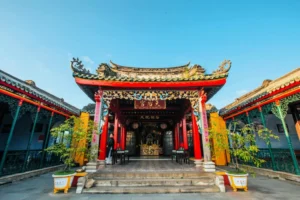
The Buddhist pagodas Marble Mountains Vietnam are scattered across Thuy Son, and each one has its own character. Linh Ung Pagoda, not to be confused with the larger one on Son Tra Peninsula, sits near the summit and offers panoramic views. Tam Thai Pagoda, dating back to the 17th century, is a serene complex with intricately carved wooden pillars and a peaceful courtyard.
As you explore, you’ll likely encounter local worshippers lighting incense and making offerings. Be respectful. It’s fine to take photos, but avoid disturbing anyone at prayer. Many of the smaller shrines are tucked into caves, so keep an eye out for the narrow openings that lead to hidden altars. Finding these quiet corners is one of the most rewarding things to do at Marble Mountains Vietnam.
Caves and Tunnels Beyond Huyen Khong
While Huyen Khong is the most famous, the Marble Mountains Vietnam caves and tunnels extend far beyond it. Tang Chon Cave is a long, winding passage that once served as a hospital during the war. Am Phu Cave, also known as Hell Cave, is a darker experience. It’s designed to depict the underworld, complete with statues of demons and punishment scenes. It’s not scary in a horror-movie way, but it’s certainly thought-provoking.
For a lighter adventure, head to Hoa Nghiem Cave, which has a wide opening and a temple inside. The tunnels can be narrow and slippery, so wear sturdy shoes and watch your head. If you’re claustrophobic, stick to the larger chambers and avoid the tight crawl spaces.
Climbing to the Summit Viewpoints
One of the best things to do at Marble Mountains Vietnam is climbing Marble Mountains Da Nang to the top of Thuy Son. The summit is accessible via a series of stone steps that wind past shrines and overhanging rocks. The reward is a sweeping panorama that takes in Da Nang’s skyline to the north, the calm waters of the South China Sea to the east, and the patchwork fields of the countryside to the west.
Sunset is a magical time to be up here. The golden light softens the sharp edges of the limestone, and the incense smoke from the pagodas below drifts up through the trees. It’s a moment that makes you forget you’re just a few kilometers from a modern city.
Practical Tips for Your Visit
Here are a few things I wish I’d known before I visited. First, wear comfortable shoes. The steps are uneven and can be slippery, especially after rain. Second, bring insect repellent. The mosquitoes around the caves are persistent. Third, carry a small flashlight or use your phone’s torch – some of the tunnels are darker than you’d expect.
If you’re traveling with kids, keep a close eye on them near the edges of the cliffs. There are railings in most places, but gaps exist. Also, be prepared for vendors at the base who will try to sell you marble carvings, postcards, and souvenirs. Some are aggressive, but a polite “no thanks” usually works. And if you want to avoid the crowds, arrive early in the morning before the tour buses roll in.
Combining Marble Mountains with Nearby Attractions
Because the Marble Mountains are so conveniently located, you can easily pair them with other sights. Many travelers make a day of it: start at the mountains, then head to Hoi An for lunch and an afternoon wandering the lantern-lit streets. Or spend the morning at My Khe Beach, then climb the mountains in the cooler late afternoon.
If you’re interested in the local stone-carving tradition, stop by one of the workshops at the base of the mountains. You’ll see artisans transforming raw blocks of marble into intricate statues and ornaments. It’s a fascinating glimpse into a craft that has sustained this community for generations.
A Journey Through Time and Stone
The Marble Mountains are more than just a scenic stop on a Vietnam itinerary. They’re a place where natural beauty, spiritual devotion, and historical memory come together. Whether you’re exploring the echoing chambers of Huyen Khong Cave, climbing Marble Mountains Da Nang for those unforgettable views, or simply sitting in the shade of a pagoda watching the incense smoke curl upward, you’ll leave with a deeper sense of the country’s soul.