1. Quick Facts: Visiting Son Tra Peninsula
| Feature | Information |
| Location | Tho Quang Ward, Son Tra District, Da Nang City (~10 km northeast of city center) |
| Highest Point | Ban Co Peak (approx. 700 m above sea level) |
| Protected Area | Over 4,370 hectares of primary coastal rainforest |
| Entrance Fee | Free admission to the peninsula roads and natural areas (museums/resorts may charge separately) |
| Ideal Visit Duration | Half-day (3–5 hours) to a full-day coastal road trip |
| Best Travel Months | March to September (dry season, calm seas, clear visibility) |
2. Flora and Fauna: Sanctuary of the Red-Shanked Douc Langur
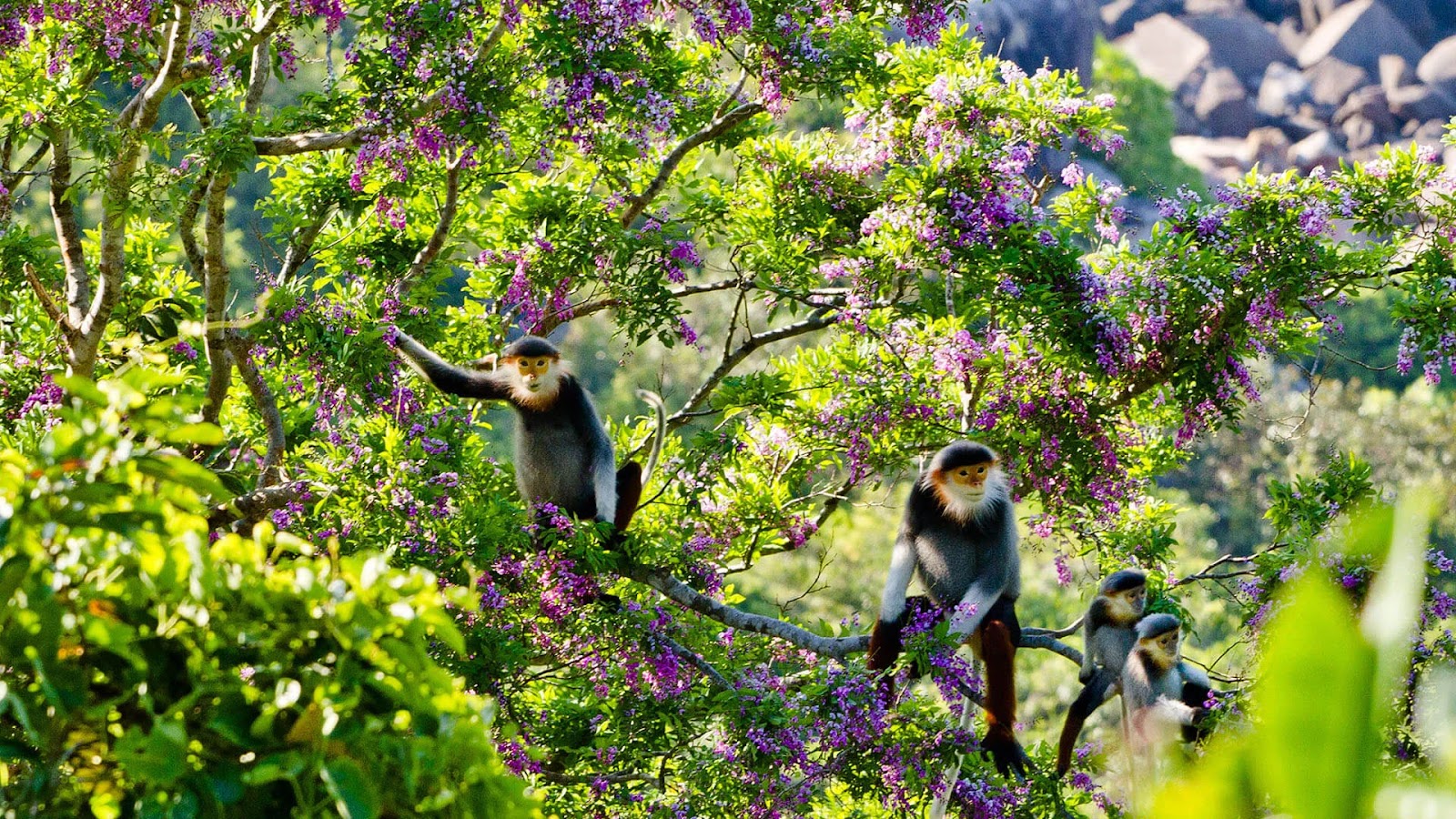
The Queen of Primates
Marine and Terrestrial Wildlife
-
Terrestrial Life: Home to rhesus macaques, red-faced chickens, pangolins, and hundreds of species of wild birds and butterflies.
-
Marine Biodiversity: Fringed by thriving coral reefs along Bai But, Bai Nam, and Tien Sa, offering habitat for vibrant tropical fish and sea turtles.
3. Top Must-See Attractions on Son Tra Peninsula
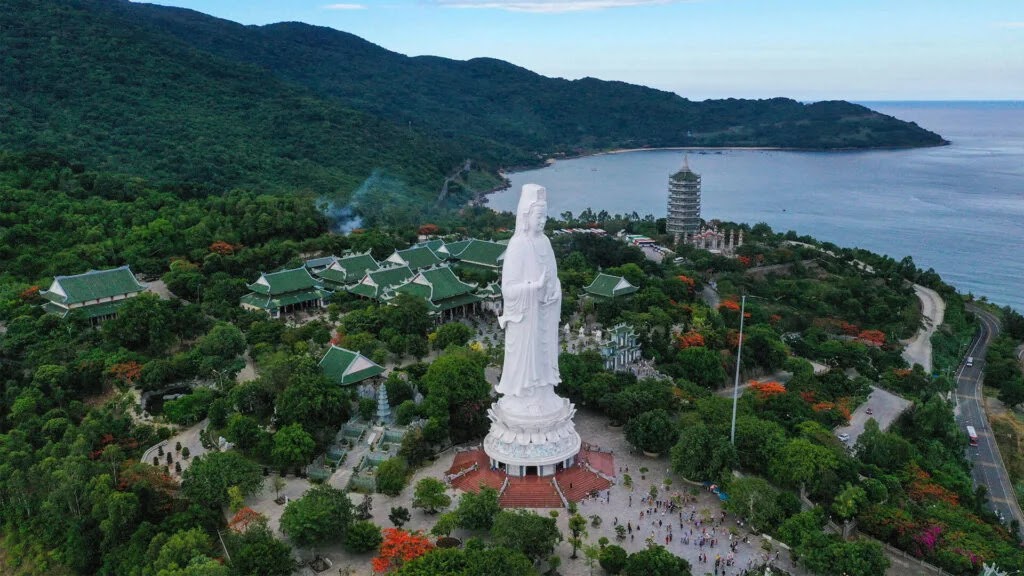
Linh Ung Pagoda – Bai But (The Giant Lady Buddha)
Ban Co Peak (The Chessboard Peak)
The 800-Year-Old Giant Banyan Tree (Cây Đa Di Sản)
Historic Tien Sa Lighthouse & Vong Canh Point
-
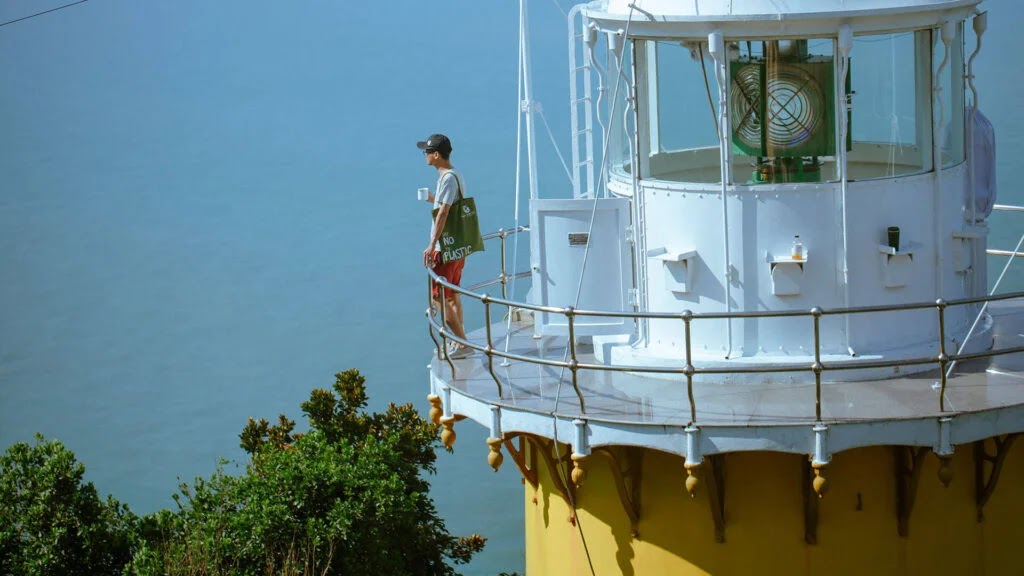
Tien Sa Lighthouse: Built by French colonial engineers in the early 20th century at 223 meters above sea level, this vibrant yellow tower remains one of Vietnam’s oldest and most photogenic maritime beacons.
-
Vong Canh Point: A scenic clifftop rest stop marked by a carved stone monkey sculpture, offering clear vistas of offshore islands (Hòn Ngọc) and coastal naval radar domes.
Cultural & Ecological Sanctuaries
-
Dong Dinh Museum (The Memory Garden): A peaceful private eco-museum showcasing ancient Cham, Sa Huynh, and Dai Viet pottery collections housed inside rustic stone-and-timber forest pavilions.
-
Son Tra Tinh Vien (Bamboo Conservation Garden): A secluded Buddhist retreat tucked away in a quiet mountain valley, preserving over 100 rare bamboo species, including varieties brought from Tibet.
-
Buu Dai Son Pagoda & Xanh Lake (Hồ Xanh): Scenic, tranquil water basins and local temples located near the base of the peninsula, frequently visited for landscape photography.
Pristine Beaches & Rugged Coastal Headlands
-
Tien Sa Beach: A calm, sheltered bay with fine white sand and clear waters adjacent to Tien Sa Port.
-
Bai But & Bai Rang: Popular rocky and sandy shorelines equipped with rustic seafood huts, swimming clearings, and water sport rentals.
-
Ghenh Bang & Mui Nghe: Wild, boulder-strewn coastal capes on the easternmost point, perfect for adventurous hiking, sunrise watching, and coastal cliff diving.
4. How to Get to and Explore Son Tra Peninsula

Transportation Options
-
Semi-Automatic / Manual Motorbike: Popular among adventurous travelers for navigating winding mountain roads. (Note: Local traffic authorities prohibit fully automatic scooters / scooters on steep uphill stretches toward Ban Co Peak and the Giant Banyan Tree for brake safety).
-
Private Car / Taxi / Grab: Comfortable and safe for families, allowing easy access to Linh Ung Pagoda and low-elevation coastal viewpoints.
-
Open-Top Army Jeep Tour: An exciting guided experience that handles all steep mountain terrain while providing licensed local wildlife guides.
5. Essential Visitor Tips & Safety Rules
-
Do Not Feed the Monkeys: Feeding wild macaques along roadsides alters their natural diet and causes aggressive behavior. Keep snacks safely zipped inside backpacks.
-
Road Safety on Steep Descents: Always use low gear (Gear 1 or 2) when driving down slopes; never coast in neutral or rely solely on handbrakes.
-
Dress Modestly: When entering spiritual temples like Linh Ung Pagoda, ensure shoulders and knees are respectfully covered.
-
Environmental Protection: Son Tra is a strictly protected nature reserve. Avoid picking plants, stay on paved trails, and carry all personal trash back to the city.
6. Frequently Asked Questions (FAQs)
Is there an admission fee to visit Son Tra Peninsula?
No, there is no admission fee. Access to Son Tra Peninsula, the public mountain roads, coastal viewpoints, natural beaches, and Linh Ung Pagoda is completely free. You only need to pay small fees if you visit private attractions on the peninsula (such as Dong Dinh Museum: ~20,000–30,000 VND/ticket) or rent beach loungers and huts at Bai But or Bai Rang.
Can I drive an automatic scooter up to Ban Co Peak?
No, automatic scooters are strictly prohibited. Due to steep slopes, sharp turns, and the risk of brake failure during descent, local traffic authorities enforce a ban on fully automatic scooters (xe tay ga) on the mountain routes leading to Ban Co Peak, the 800-Year-Old Banyan Tree, and the Radar Station. To visit these higher summits, you must use a semi-automatic motorbike (xe số), manual clutch bike (xe côn tay), private car/taxi, or join a guided open-top Jeep tour.

What is the best time of day to spot the Red-Shanked Douc Langurs?
The best times to spot the Red-Shanked Douc Langurs are early morning (06:00 – 08:30 AM) and late afternoon (15:30 – 17:30 PM). During these cooler parts of the day, the langurs move up to the high canopy along the coastal roads to feed on young leaves, flowers, and fruits, making them much easier to observe and photograph.
How far is Son Tra Peninsula from central Da Nang, and how long should I stay?
Son Tra Peninsula is located about 10 km northeast of Da Nang city center (roughly 15–20 minutes by car or motorbike from My Khe Beach).
-
Quick Tour: Spend 3 to 4 hours (half-day) to see the main highlights (Linh Ung Pagoda, Vong Canh Point, and Ban Co Peak).
-
Full Experience: Spend 6 to 8 hours (full-day) if you want to include wildlife watching, swimming at Bai But, hiking down to Ghenh Bang, and visiting Dong Dinh Museum.
Are visitors allowed to feed the wild monkeys on Monkey Mountain?
No, feeding the monkeys is strictly forbidden. Feeding the wild macaques and primates harms their health, disrupts their natural foraging instincts, and causes them to become aggressive toward visitors. Always keep food, sweet drinks, and plastic bags securely zipped inside your backpack.