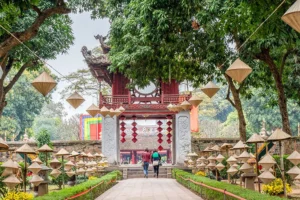
If you’re planning a trip to Hanoi and want to understand the real Vietnam beyond the bustling streets and pho stalls, the Vietnam Museum of Ethnology is your starting point. This isn’t just another museum with dusty artifacts behind glass. It’s a vibrant, open-air celebration of the 54 ethnic groups Vietnam recognizes as its cultural foundation. You’ll walk through a day in the life of a highland farmer, step inside a stilt house, and listen to stories that have been passed down for generations. For anyone interested in Vietnam culture travel, this place is unmissable.
Why the Vietnam Museum of Ethnology is a Top Hanoi Museum Attraction
Most Hanoi museum attractions focus on wars, politics, or ancient imperial dynasties. The Vietnam Museum of Ethnology takes a different path. Instead of kings and battles, it honors the everyday lives of the country’s ethnic communities. It’s a place where the marginal becomes central, where the colorful textiles of the Hmong or the intricate burial practices of the Co Tu are given the spotlight. This focus on living culture makes it one of the most engaging museums in Southeast Asia, and a favorite for both curious travelers and anthropology buffs.
The museum opened its doors in 1997, a collaborative effort between Vietnamese researchers and international architects, including the renowned Ha Duc Lich and the French architect Véronique Dollfus. The building itself is a masterpiece, designed to resemble a Đông Sơn drum, an ancient bronze artifact that symbolizes power and community. That architectural nod sets the tone for what’s inside: a deep, respectful look at the threads that weave Vietnam together.
Getting to the Museum and Practical Visitor Information
Located at Nguyen Van Huyen Street in the Cau Giay district, the museum is about 7 kilometers from the Old Quarter. A taxi or ride-hailing app (like Grab) will get you there in about 20 to 30 minutes depending on traffic. There’s also public bus number 14, which stops right outside the main gate. It’s an easy trip, but plan to spend at least half a day here; there’s a lot to see and you’ll want to soak it all in.
The museum is open from 8:30 am to 5:30 pm, Tuesday through Sunday. It’s closed on Mondays, which is a common schedule for museums in Vietnam. The entrance fee is around 40,000 VND (less than two dollars), a bargain for the depth of experience you’ll get. You can also hire an English-speaking guide at the entrance, which is worth the extra cost if you want a deeper dive into the cultural nuances. For a budget traveler, this is one of the most cost-effective ways to spend a day in Hanoi.
Exploring the Exhibition Halls of the Ethnographic Museum Hanoi
Inside the main building, the ethnographic museum Hanoi displays are organized by region and ethnic group. The ground floor focuses on the Kinh, the majority ethnic group, and other lowland peoples. Here you’ll find stunning examples of the famous Đông Hồ folk woodblock prints, intricate conical hats, and beautifully lacquered boats. As you move upstairs, the exhibits shift to the highland communities—the Thai, Hmong, Dao, and many more. Each display case is a window into a different way of life, showcasing clothing, tools, jewelry, and ritual objects.
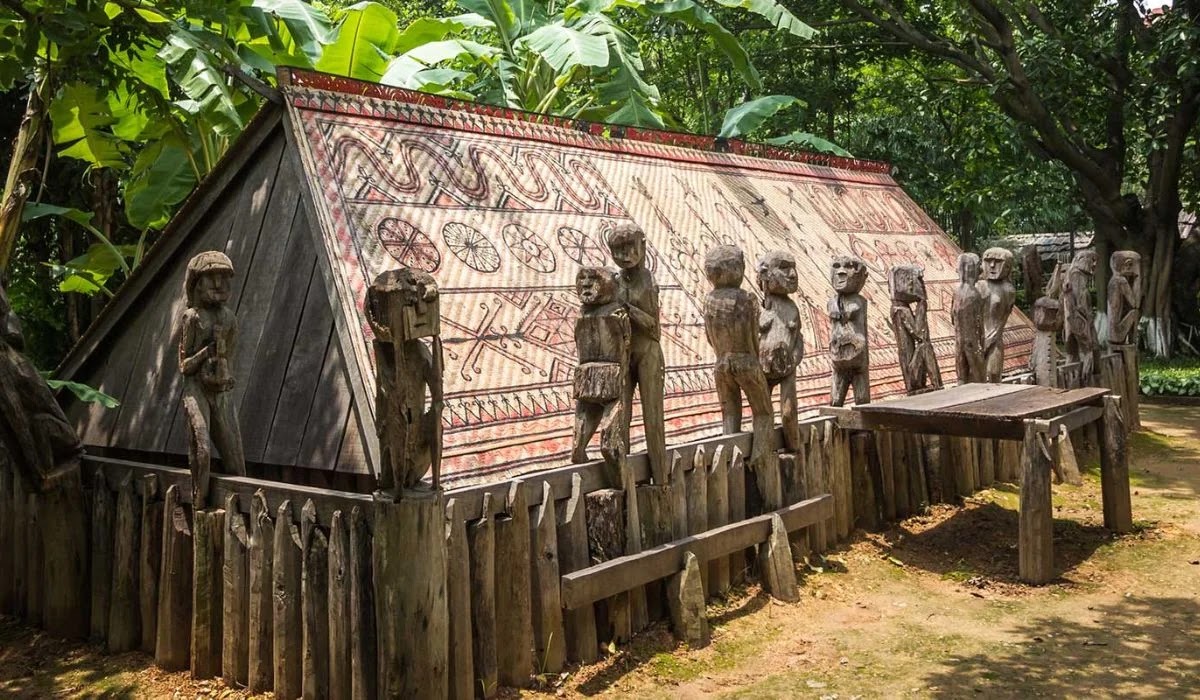
One of the most fascinating sections is the collection of funerary practices. The museum has recreated a Co Tu tomb, complete with its vibrant, carved wooden statues that protect the deceased’s spirit. It’s a powerful reminder that death is not an end but a transition, celebrated with color and ceremony. Similarly, the display of Gia Rai and Ede burial houses shows how death rituals are tied to the community’s social structure and beliefs. These exhibits are not just visually striking; they offer a deep, respectful insight into the spiritual world of Vietnamese ethnic minorities.
Highlights of the Indoor Collection
Don’t miss the intricate silver jewelry of the Hmong people, crafted with techniques passed down through centuries. Look closely at the textiles—each pattern often tells a story, a marker of identity, clan, and even marital status. The museum’s collection of musical instruments is also superb. You’ll see the distinctive đàn đá (stone lithophone) and the Klong Put (bamboo xylophone) of the Ede, instruments that produce ethereal sounds meant to communicate with the spirit world. These are not just objects; they are voices of the people.
The museum also does a fantastic job with its temporary exhibits. These rotate throughout the year, often featuring contemporary issues or celebrating specific ethnic festivals. Check the museum’s website before you visit to see what’s on. It could be a special display of the Bau Truc pottery or a photography exhibit on the changing face of the highlands. This keeps the museum feeling alive and relevant, even on repeat visits.

The Outdoor Exhibition and the Ethnic Minorities of Vietnam
Step outside the main building, and you’ll find the museum’s most beloved feature: the outdoor exhibition area. This is where the museum truly comes alive. Scattered across a well-manicured, green park are full-scale, authentic replicas of traditional houses from various ethnic groups. You can walk up the steep steps of a Bahnar communal house (rông), which towers above you on stilts. You can duck into a low-slung Tay stilt house, where the family would have lived above the damp ground and animals below.
Each house is more than just a structure; it’s a lesson in architecture, social organization, and adaptation to the environment. The Hmong house, for example, is built into the ground with thick earthen walls to withstand the cold mountain winters. The Cham house, with its curved roof, is built flat on the ground, a reflection of the warmer coastal climate. You can even climb into a Yao house and see the family altar, a central element of their spiritual life. This is the most direct and visceral way to understand the diversity of Vietnamese ethnic minorities.
Water Puppetry and Live Demonstrations
On weekends and during peak season, the museum hosts live performances in the outdoor area. The most famous is the water puppet show, a traditional art form that originated in the rice paddies of the Red River Delta. Watching the wooden puppets dance and splash on the water, while a live orchestra plays traditional instruments, is a magical experience. It’s a perfect way to see a living tradition, not just a static display. Check the schedule at the entrance or online, as shows are not guaranteed every day.
You might also catch craft demonstrations, where artisans from different ethnic groups show their skills. You could see a Hmong woman embroidering a new skirt or a Cham potter shaping a clay vessel. These demonstrations are a fantastic opportunity to talk directly with the makers and ask questions. It transforms the museum from a place of observation into a space of human connection.
Other Hanoi Museum Attractions for Culture Lovers
While the Vietnam Museum of Ethnology is a standout, Hanoi is full of other museums worth your time if you want to go deeper into Vietnam’s history and culture. The Vietnamese Women’s Museum, located near the Hoan Kiem Lake, is a beautifully curated space that tells the story of women’s roles in family, history, and the war effort. Another option is the Hoa Lo Prison Museum, which focuses on a darker chapter of colonial history but is a powerful and important visit. For a more artistic perspective, the Vietnam Fine Arts Museum is a hidden gem, showcasing the evolution of Vietnamese art from ancient bronze casting to modern paintings.
But for a comprehensive, joyful, and immersive look at the people themselves, the Ethnology Museum remains the best choice. It gives you the context you need to understand the faces you see on the street, the markets, and the villages you’ll pass through on your travels. After a visit here, you’ll notice the patterns on a woman’s scarf in Sapa with new eyes, and you’ll understand the significance of a stilt house you see in the Mekong Delta. It enriches your entire journey through Vietnam.
Final Thoughts on Cultural Heritage Vietnam
The cultural heritage Vietnam boasts is not found in a single monument or a royal tomb. It’s woven into the daily lives of its people, from the rice terraces of the north to the fishing villages of the south. The Vietnam Museum of Ethnology is the perfect place to see this vast, beautiful mosaic in one afternoon. It’s an experience that will stay with you long after you’ve left Hanoi, a reminder that the true soul of a country is its people.
So, when you’re planning your Hanoi itinerary, make sure to carve out a generous chunk of time for this museum. Go with an open mind, a comfortable pair of walking shoes, and a camera full of memory. You’ll leave with a deeper appreciation for Vietnam’s incredible human diversity and the resilient spirit of its 54 ethnic groups. It’s a journey through the heart of the nation, and it’s waiting for you.