Hidden among the bustling streets of modern Hanoi lies a site that whispers stories of emperors, dynasties, and centuries of Vietnamese resilience. The Thang Long Imperial Citadel is not just another stop on the tourist trail; it is a layered archaeological wonder that offers a rare glimpse into the country’s rich and often turbulent past. For travelers seeking a deeper connection to Vietnam’s history, this UNESCO World Heritage Site Hanoi proudly protects is an essential and rewarding experience.
The Enduring Legacy of the Imperial Citadel of Thang Long History
To truly appreciate the site, it helps to understand its unique place in time. The Imperial Citadel of Thang Long history spans over a thousand years, beginning in 1010 when Emperor Ly Thai To moved his capital from Hoa Lu to the area then known as Dai La. He renamed it Thang Long, which means ‘Ascending Dragon’, and the citadel became the political and cultural heart of the nation. It served as the seat of power for the Ly, Tran, and Le dynasties, and later played a role during the Nguyen dynasty, even as the capital shifted south to Hue.
The Central Sector Imperial Citadel Thang Long, as recognized by UNESCO, is not merely a collection of old buildings. It is a remarkable testament to the continuous cultural exchange and architectural evolution that shaped Vietnam. The site’s value lies in its long history and the vast array of artifacts unearthed from its grounds, which together tell a story of a civilization that has endured for a millennium.
What to See at the Thang Long Citadel Ruins
While the entire complex is fascinating, a visit to the Thang Long Citadel ruins can be navigated in a few hours. Here are the key areas you should not miss.
The Archaeological Site at 18 Hoang Dieu
This is the most significant part of the citadel for history enthusiasts. Discovered in 2002 during the construction of a new parliament building, this excavation site revealed a stunning array of relics, including foundations of ancient palaces, wells, and thousands of artifacts like ceramics, coins, and even traces of royal life. Walking along the walkways above the dig site, you can see the layers of history literally stacked upon one another, a powerful illustration of the site’s continuous use over centuries.
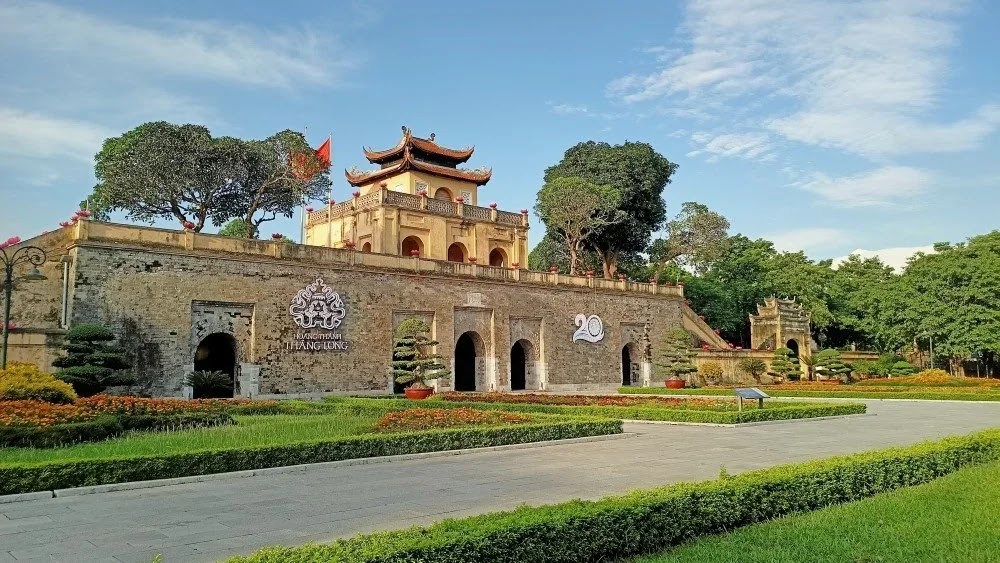
Doan Mon Gate (Main Gate)
This imposing southern gate, with its distinctive two-story structure and three arched entrances, is the most iconic and best-preserved structure above ground. It once served as the main entrance to the Forbidden City area. Climbing to the upper level offers a nice vantage point for looking down the central axis toward Ky Dai.
Ky Dai (Flag Tower)
The Flag Tower is a 33-meter-tall structure that is a symbol of both Hanoi and the citadel. Built in 1812, it is remarkably well-preserved and offers a panoramic view of the surrounding area from its summit. Climbing the spiral staircase is a must for those wanting a memorable perspective.
Hau Lau (Princess’ Pavilion)
Also known as the Keeper’s Palace, this structure was built in 1821 and served as a residence for the royal concubines and princesses when the king visited Hanoi. Its architecture blends Vietnamese and French colonial styles, making it a fascinating subject for photography.

The Bunker of the General Staff Headquarters (D67)
This is a stark reminder of the site’s more recent history. Built in the 1960s, this underground command center was used by the Vietnamese military during the American War. Visitors can walk through the dimly lit rooms filled with vintage communication equipment and maps, offering a unique and sobering contrast to the ancient ruins above.
Visiting the UNESCO World Heritage Site Hanoi
Getting to the citadel is straightforward. It is located at the heart of Hanoi, not far from Hoan Kiem Lake.
- Location: The main entrance for visitors is at 19C Hoang Dieu Street, Ba Dinh District.
- Opening Hours: Generally open from 8:00 AM to 5:00 PM, Tuesday to Sunday. It is closed on Mondays and national holidays, so plan your visit accordingly.
- Entrance Fee: The ticket price is very affordable, typically around 30,000 to 70,000 VND per person (roughly 1.50 to 3.00 USD).
- Getting There: The citadel is a pleasant 30-minute walk from Hoan Kiem Lake, or a short and cheap ride on a taxi or ride-hailing app like Grab. You can also take a local bus if you are adventurous.
- Time Needed: Allocate at least 2 to 3 hours to explore the grounds, the archaeological site, and the various buildings comfortably.
Tips for Your Hanoi Ancient Citadel Travel Guide
To make the most of your visit, consider these practical suggestions:
- Dress Code: Since it is a historical and cultural site, it is respectful to dress modestly. Ensure your shoulders and knees are covered.
- Footwear: You will be doing a fair amount of walking. Comfortable shoes are highly recommended over sandals or high heels.
- Sun Protection: Much of the site is outdoors. Bring a hat, sunglasses, and sunscreen, especially if you visit during the hotter months.
- Guided Tours: While you can explore independently, hiring a local guide or joining a group tour can give you a much deeper understanding of the Thang Long Citadel archaeological site and its significance. The stories and context they provide are invaluable.
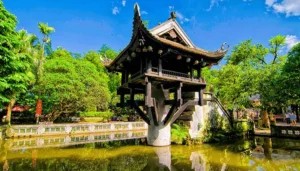
- Combine with Nearby Sights: The citadel is located within a 15-minute walk of other major attractions like the Ho Chi Minh Mausoleum, the One Pillar Pagoda, and the Imperial Citadel’s own museum. You can easily combine these for a full day of exploration.
Why the Central Sector Imperial Citadel Thang Long Matters
In 2010, the Central Sector Imperial Citadel Thang Long was inscribed as a UNESCO World Heritage Site. This recognition came not just for its well-known monuments, but crucially, for its unique archaeological evidence. The site demonstrates a continuous cultural exchange and a long tradition of Vietnamese statehood. It is a place where the past is not just preserved but actively studied, and its ruins are a powerful narrative of a nation’s endurance and identity.
For a traveler, this means the site offers a different kind of experience than a typical pagoda or museum. It feels raw and authentic, a place where you can almost feel the weight of history under your feet. The Thang Long Citadel ruins are not pristine, but their weathered state is exactly what makes them so compelling.
Plan Your Journey to the Imperial Citadel of Thang Long
A visit to the Thang Long Imperial Citadel is a journey through more than a thousand years of Vietnamese history. From the ancient palaces unearthed at the archaeological site to the modern bunker that played a role in the country’s more recent past, the site offers a profound and moving experience.
Make it a priority on your Hanoi itinerary. Set aside a morning or an afternoon, bring your curiosity, and you will leave with a much richer understanding of Vietnam and its resilient people. It is a place that rewards those who take the time to walk its grounds and listen to the stories they tell. So, next time you find yourself in Hanoi, step beyond the usual tourist spots and spend some time exploring this truly remarkable UNESCO World Heritage Site Hanoi is so proud to hold.